tooth resorption cats prognosis
Bad Breath halitosis Excessive drooling. If left untreated it can cause irreparable.
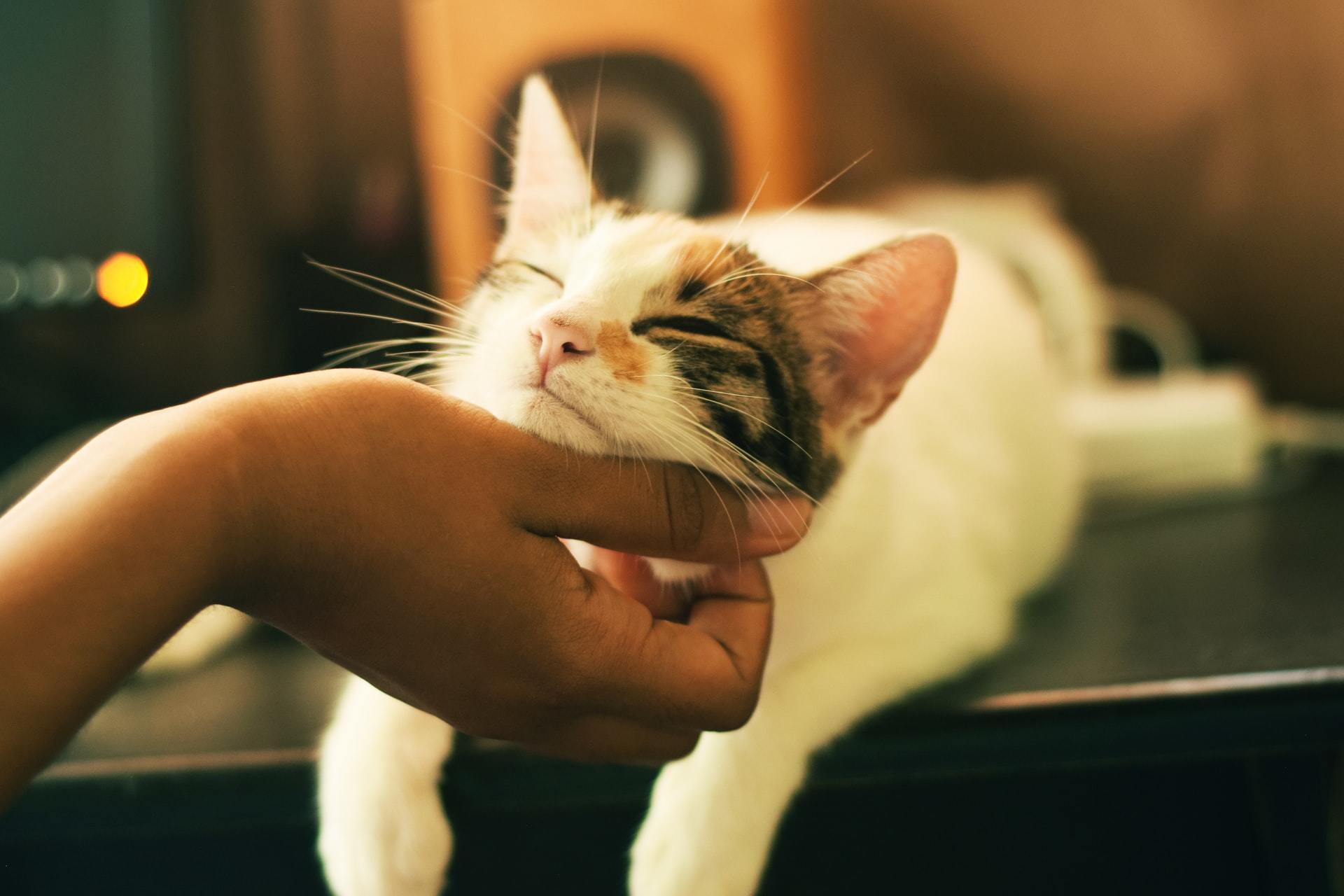
Feline Tooth Resorption How To Help Your Cat Firstvet
Feline tooth resorption is a dental disease that occurs when the body breaks down and absorbs the structures of your cats teeth.

. Feline immunodeficiency virus and stress on the teeth due to poor dental alignment can also trigger tooth resorption in some cats. 12 Risk factors include increasing age and the presence of. The cause says Jennifer.
Ad Looking for pet dentist. Some of the most common symptoms of dental disease in cats can include. Feline TR is a very common problem.
Tooth resorption can be difficult to detect with cats often masking signs of oral discomfort or pain. Examination of the conscious cat often reveals tooth resorption as an area of missing tooth. Incidence reports list a range from 30 to 60 for cats affected by this oral condition.
Also referred to as replacement resorption if your cat is diagnosed with Type 2 Tooth Resorption the tooth root will look like it is disintegrating making it hard to differentiate. Difficulty with or slow eating. Brett Beckman on September 06 2016.
The process generally begins in the enamel along. If a cat suffers from tooth. Cat tooth resorption is a condition in which the body begins breaking down and absorbing the structures that form the tooth.
Tooth resorption is a common condition affecting an estimated 20 percent to 60 percent of all cats and close to three-quarters of those five years of age and older. Routine radiography is required for timely diagnosis as clinical visual. Tooth resorption is when the dentin the hard tissue beneath a tooths enamel of a single tooth or multiple teeth erodes.
Tooth resorption in cats unfortunately often goes undiagnosed. Find content updated daily for pet dentist. Tooth resorption is when the dentin the hard tissue beneath a tooths enamel of a single tooth or multiple teeth erodes.
Tooth resorption is when the dentin the hard tissue beneath a tooths enamel of a single tooth or multiple teeth becomes eroded. Tooth resorption is as I said a very common dental disease that mainly affects cats older than 5-6 years it sometimes occurs in slightly younger cats as well. It usually starts in the enamel along the gum line.
Tooth resorption in cats is prevalent affecting 28 to 68 of mature cats. If left untreated it can cause irreparable damage. If left untreated it can cause irreparable damage.
Full mouth veterinary dental radiographs are needed for.
Feline Tooth Resorption Today S Veterinary Practice

Risk Assessment Of Feline Tooth Resorption A Portuguese Clinical Case Control Study Semantic Scholar
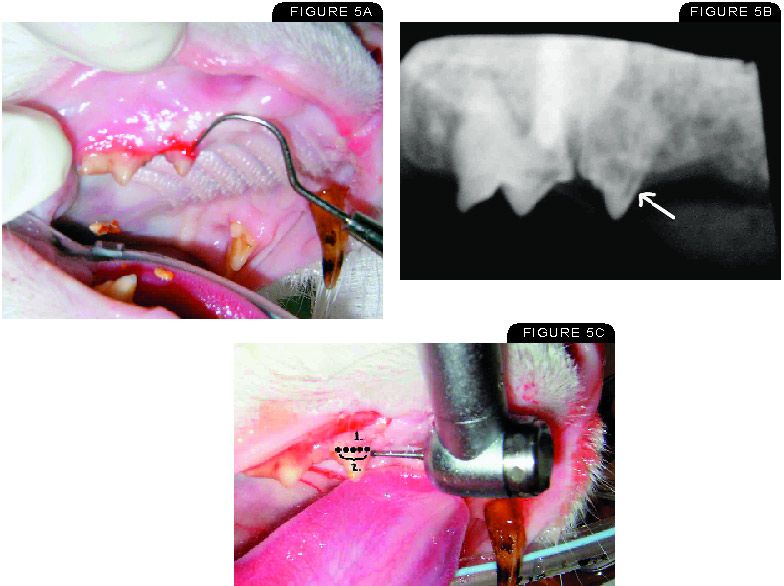
Dental Corner How To Detect And Treat Feline Odontoclastic Resorptive Lesions
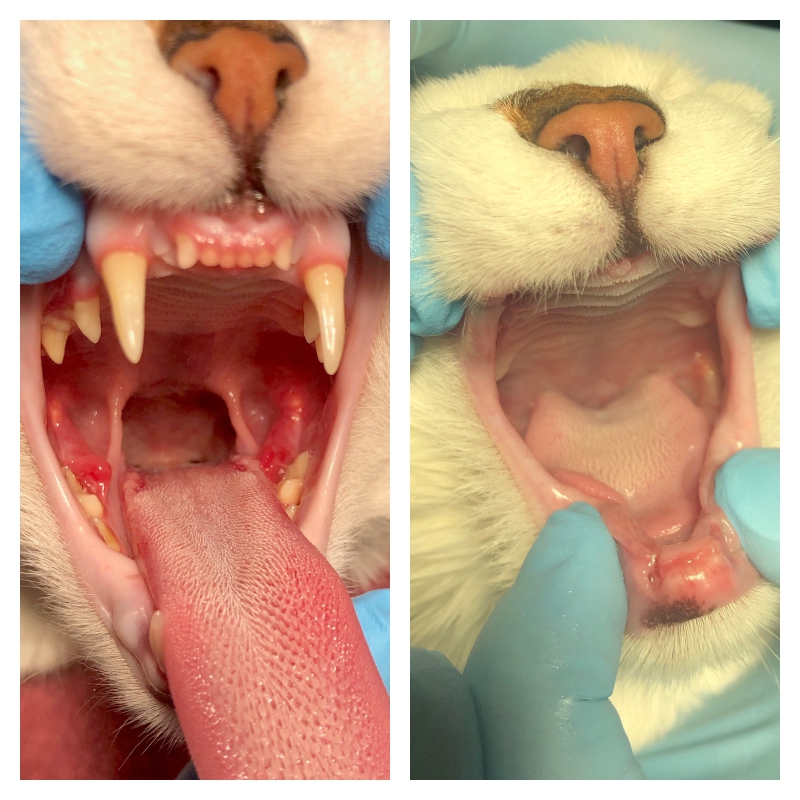
Stomatitis Animal Dental Specialist
2

External Tooth Resorption In Cats Part 2 Therapeutic Approaches Today S Veterinary Practice
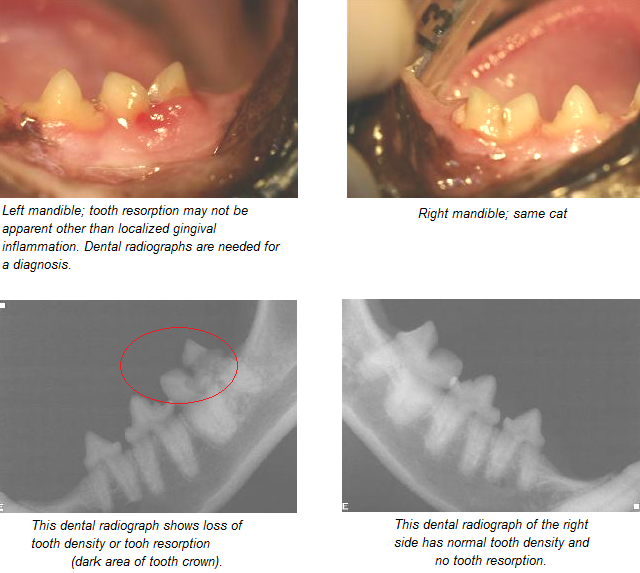
Dentistry Healthy Paws Animal Hospital
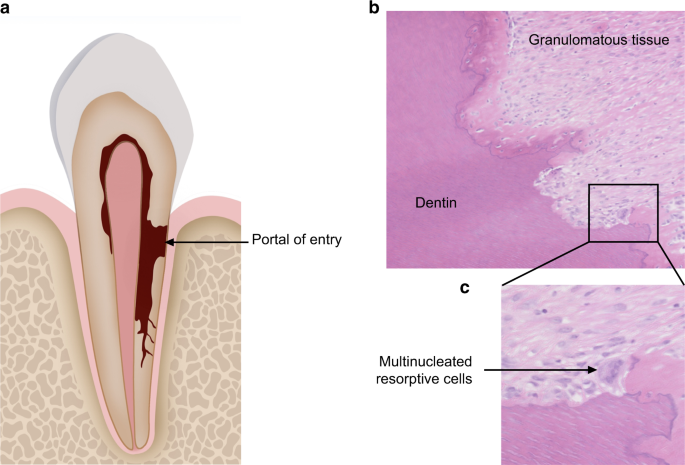
External Cervical Resorption A Review Of Pathogenesis And Potential Predisposing Factors International Journal Of Oral Science

External Tooth Resorption In Cats Part 2 Therapeutic Approaches Today S Veterinary Practice
2

Feline Tooth Resorption Today S Veterinary Practice
2
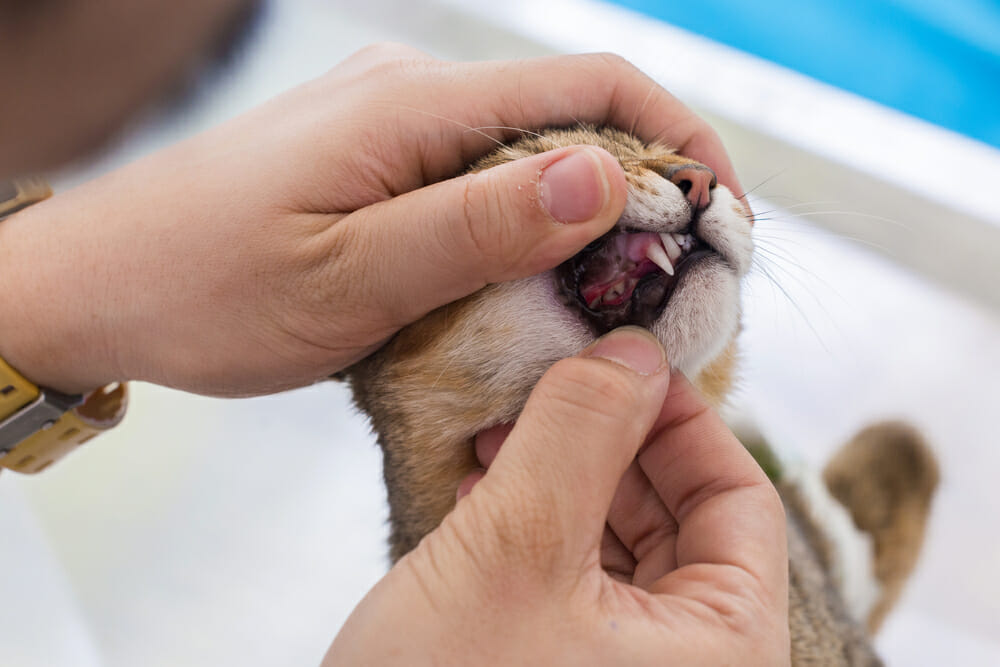
Feline Odontoclastic Resorption Lesions Forls Westwood Hills Veterinary Hospital

Feline Tooth Resorption Today S Veterinary Practice

Domestic Feline Oral And Dental Diseases Veterian Key

Feline Tooth Resorption Today S Veterinary Practice
2

Juvenile Gingivitis Periodontitis Advanced Animal Dentistry

External Tooth Resorption In Cats Part 2 Therapeutic Approaches Today S Veterinary Practice